
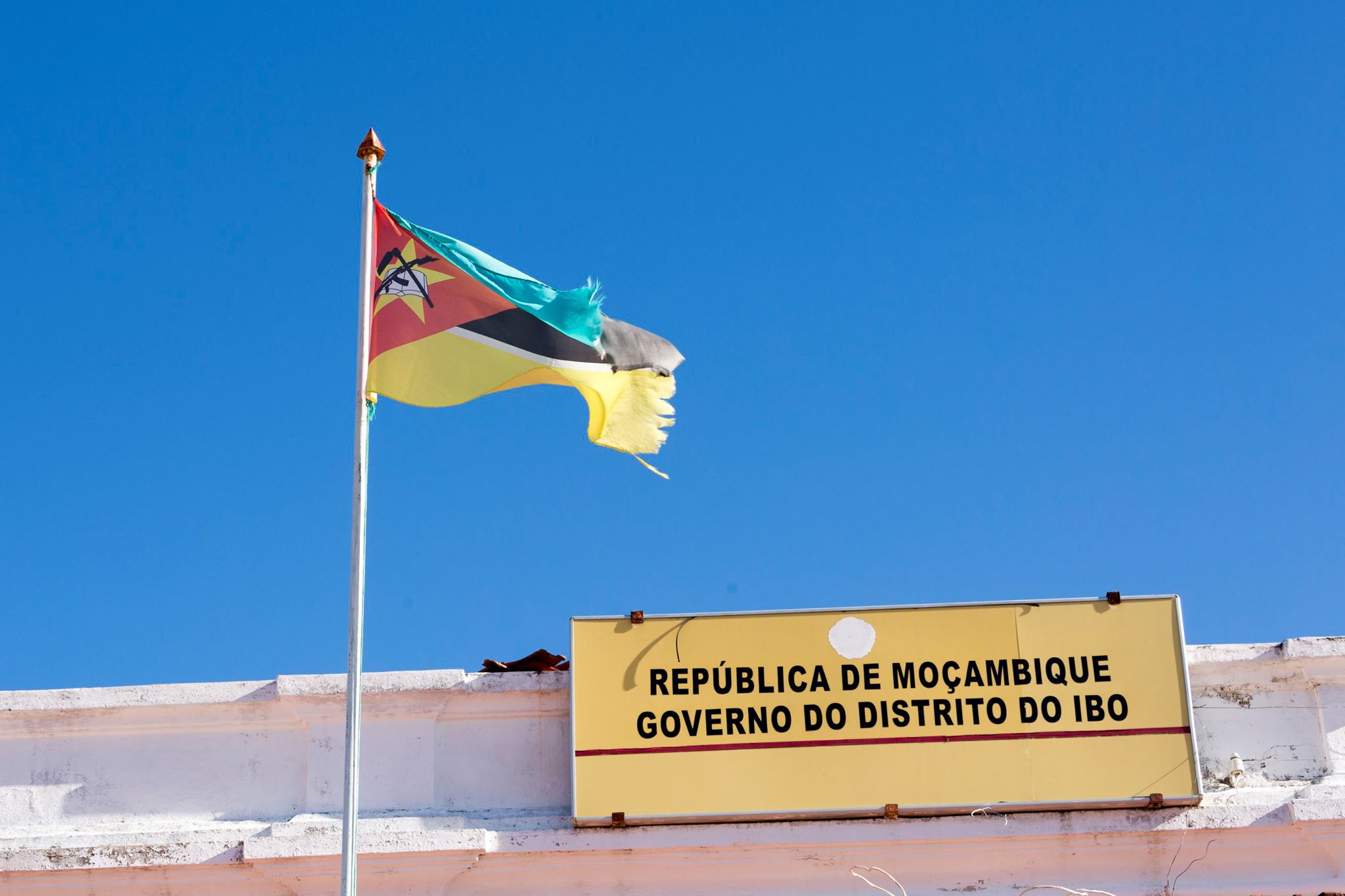


Our trip through the Quirimbas Archipelago began on Ibo Island, which we reached after a very arduous transfer from Pemba. When we finally climbed off the local boat—the so‑called chappa boat—at the small jetty, only a handful of kids were there to greet us, along with the humid hush of a tropical night and pitch darkness. Luckily, we had headlamps. It would have been a shame to use them.

Above us stretched a sky you rarely see elsewhere. The Milky Way was crystal clear and, with a little patience, you could even pick out distant galaxies as faint smudges. The children chattered around us, questions tumbling over each other, while our heads tilted back to the stars. An unusual welcome—much like the island itself.
The island’s history
Historically, Ibo Island was one of the most important places in the Quirimbas. When the Portuguese colonized present‑day Mozambique in the 16th century, they seized this strategic harbor by force. From here, trade routes ran toward the Arab world.
Spices, silver—and enslaved people—were traded here. For many years, the island was the region’s key commercial hub.
Things began to change with the arrival of more modern ships. Their deeper drafts made the shallow waters around Ibo too risky to navigate. Trade gradually shifted to nearby Pemba, and the island slowly faded from prominence.

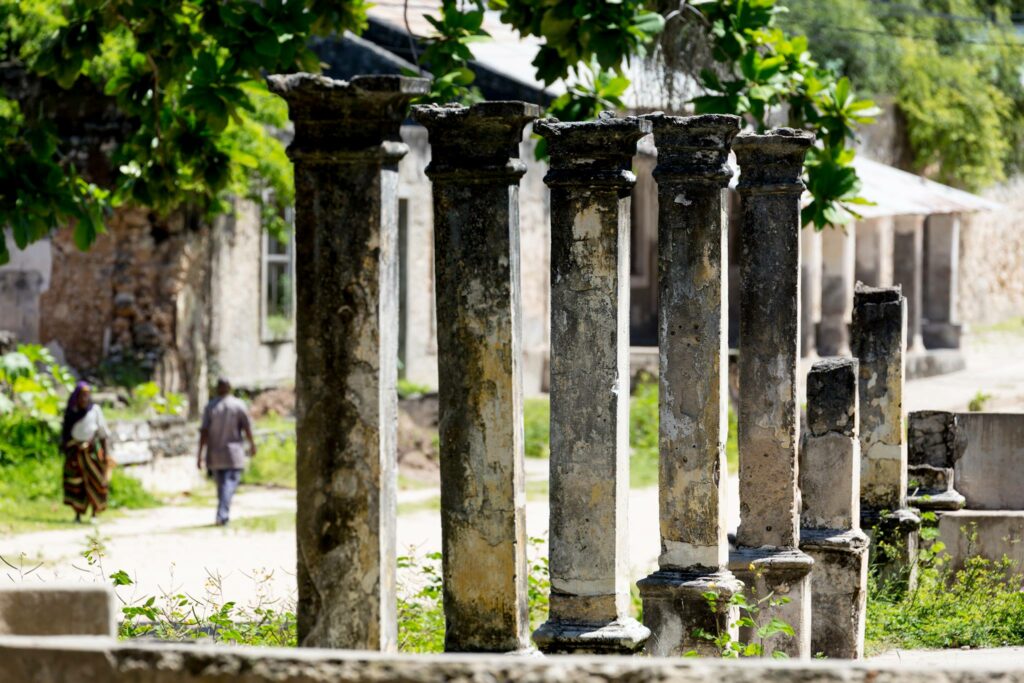
Much of the Portuguese colonial architecture remains. In the historic center you’ll find old houses and streets that in places feel more like a small European town than an African island. Walk just a few streets farther and the scene shifts: sandy tracks, simple homes, and the slow rhythm of daily life remind you that you’re still in Africa.
Everyday life on the island
Life on Ibo is modest, and certainly not easy. Most people depend directly or indirectly on the ocean. Fishing, small trades, and informal commerce are the main livelihoods. Fishermen head out in traditional wooden dhow boats with shallow drafts, perfect for the shallow channels and flats around the islands. The catch ends up at the local market or is sent to the mainland city of Pemba.

Traditional crafts still matter here. We watched artisans make silver jewelry, shape wood, and build new fishing boats. Dhow building is one of the most fascinating local skills—these boats are perfectly tuned to the archipelago’s shallow waters and have been used for generations.
Tourism has slowly edged into the local economy in recent years. A few small resorts and guesthouses employ residents as guides, boatmen, cooks, and service staff. Even so, tourism remains only a small part of the local economy.
Life here is also defined by natural limits. Water is drawn mainly from wells, and supplies are finite. Locals often say a day may come when the island’s fresh water simply runs out.

A similar story already played out on the larger, nearby island of Matemo. Intensive pumping lowered the freshwater table and saltwater began seeping in, turning wells brackish and unusable.
With that in mind, we started seeing some of the island’s pricier resorts differently—especially those offering pools. In a place where water is scarce, it feels a little out of place.
Tides set the rhythm of daily life. At high tide, water swallows much of the surrounding beaches—prime time for fishing, and for kids to splash in the ocean.
Locals still treat visitors more as a curiosity than a routine part of life. Only a small number of travelers make it here, and every new arrival is a bit of an event. That’s part of why encounters feel natural and unforced—you quickly become part of the island’s daily scene.
When the day winds down and the sun sinks behind the Indian Ocean, life slows even more. Electricity isn’t a given everywhere, and many streets fall dark quickly. Even so, we felt safe walking after sunset.
Accommodation, food, and basic infrastructure
Although Ibo is remote, the basics for travelers are in place. There’s a single ATM on the main square. Some lodges and larger restaurants accept US dollars, but small shops and residents prefer the local currency.
There aren’t many places to stay, but you can still choose the level of comfort you want. Options range from more authentic eco‑lodges with simpler amenities to slightly more upscale resorts. There’s also a small campsite suitable for backpackers.
We went for a more down‑to‑earth stay at a place called Baobibo, and didn’t miss a thing. We had a clean, spacious room, a bed with a mosquito net (very important), electricity, and breakfasts and dinners with a Mozambican touch—plus a genuinely helpful team who made our time on the island easy.
Restaurants here are basically of two kinds. Some belong to the island’s resorts and serve the usual tourist menus. The other option is far more authentic—if you wander into the outskirts of the village, locals will often host you right at home.
You’ll be invited into a thatched hut, sit on plastic chairs, and eat whatever has just been cooked—usually a fish they likely caught themselves, with rice and a simple salad. With a bit of luck, the owner will have an ice box with a cold beer or a cola.
We highly recommend it. It’s far cheaper than resort dining and one of the most authentic experiences you can have on the island.
Food is generally simple here, but surprisingly affordable. Expect to pay around €3–€5 per person for dinner, often with a beer included. Prices in the resorts are, of course, many times higher.
Things to do on the island
Much of the island is fringed with thick mangroves, so beaches on Ibo itself are limited. The ones that do exist come with a major perk—you’ll often have them entirely to yourself, especially if you leave the main village behind.

A bicycle is ideal for exploring. You can rent one for a few dollars a day. The island is small—about 6 km²—and the sandy tracks are manageable. You can cover the main village and most points of interest on foot or by bike in a short time.
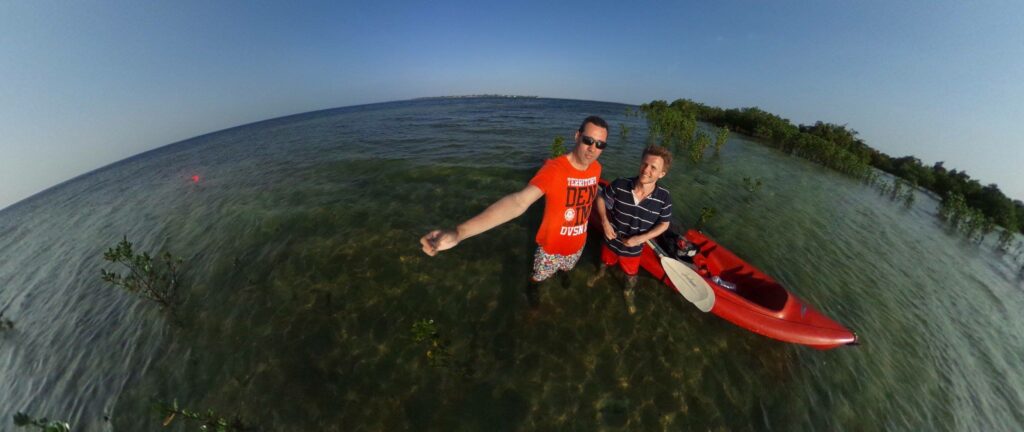
You could also consider renting a kayak. It’s perfect for short sea hops and gets you to places unreachable on foot. Do keep safety in mind: currents shift in strength and direction through the day, so it’s wise to stay close to shore and be honest about your limits on open water.
Boat trips to nearby islands are easy to arrange, including to Matemo. A particularly interesting spot is the sandbar Baixo de São Gonçalo.
It’s a classic sandbank—an islet of sand that vanishes completely at high tide. When the water drops, a long ribbon of white sand appears in the middle of the ocean. When we visited, we had it almost to ourselves. Only a few local fishermen broke the silence.

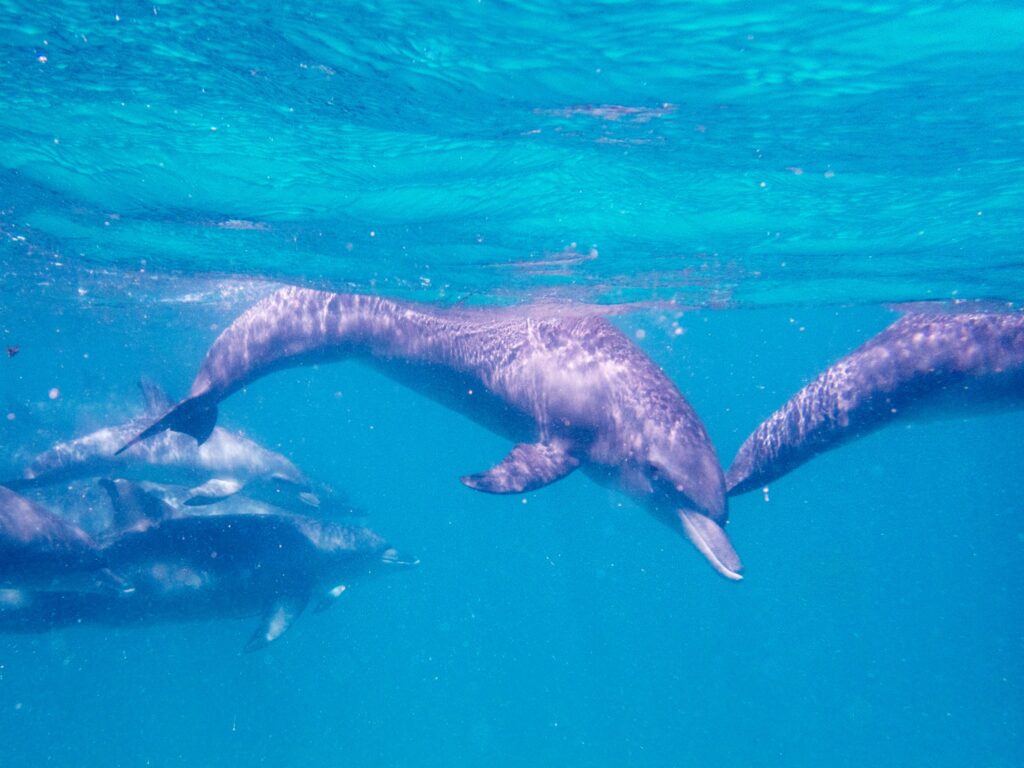
Other options include snorkeling with dolphins around the islands, or exploring Ibo’s historic buildings, including the old colonial fort of São João Baptista.
The area is also well known to divers. The waters of the Quirimbas hide plenty of dive sites—from coral reefs to less‑explored spots rich in Indian Ocean marine life. Unfortunately for us, the island’s only divemaster was ill with malaria during our stay, so diving was off the table.
If none of that appeals, there’s one more unexpected “activity”—the local dogs. We befriended a scruffy island pup who, for reasons unknown, took a shine to us and started following us everywhere. Some mornings he was already waiting outside our lodge. Before long we were calling him “Doggie”, and he became a cheerful part of our days.
Local children and school
You can’t write about Ibo without mentioning the kids. They give the island’s narrow lanes their signature energy—busy, a bit chaotic, but wonderfully alive.
You’ll get close to them very quickly—often before you even register how little time you’ve been on the island. More precisely, they warm up to you.
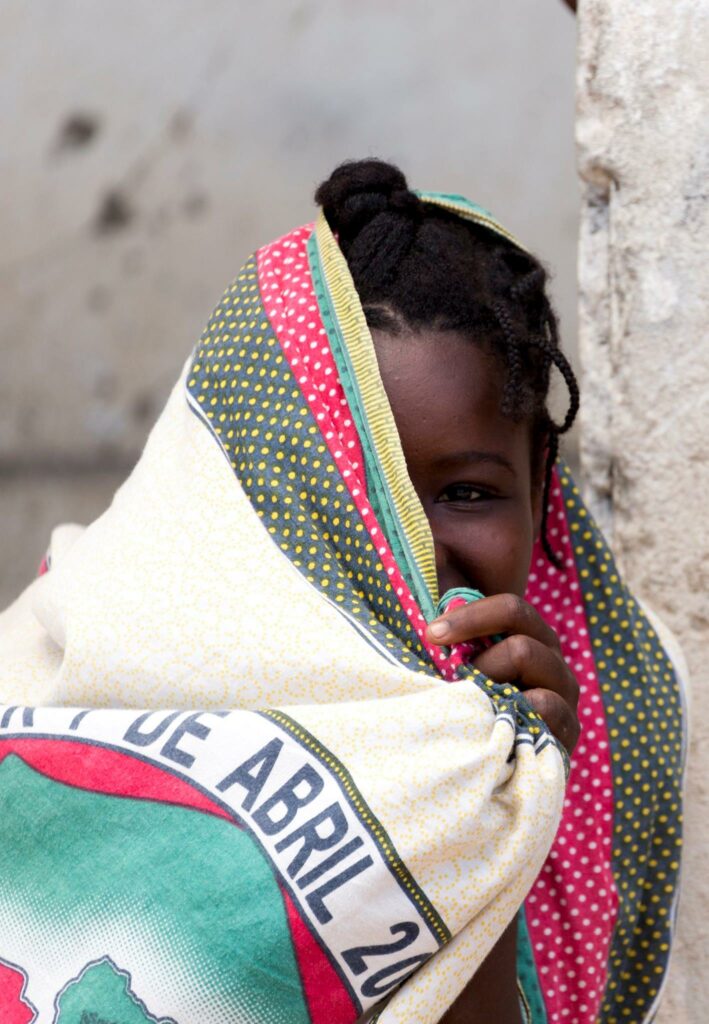
Most of them love being photographed, though there are always a few who shy away from the camera. We expected children—and other locals—to ask for small gifts, so we brought a stash of little toys we no longer needed at home.
In the end, our assumptions didn’t hold. The kids were genuinely surprised and thrilled when we handed over the toys. It won over not just the children but often their parents, too. We quickly became known across the island as “the tourists with the toys”.
One day a young boy came up and, with gestures, asked if he could borrow my camera for a moment. I didn’t hesitate. What surprised me was how quickly he figured it out. Within minutes he was photographing his brother—and he pulled off a lovely portrait.
Wandering the island, we also found the local school. The system works differently than at home, which didn’t surprise us. What did was the sight of school uniforms. Seeing kids in uniform in such a remote corner of the world feels a touch surreal.

Mozambique’s school system has a few quirks that might surprise Europeans. Classes can be very large, and schools sometimes run in shifts—one group in the morning, another in the afternoon. Portuguese is the language of instruction, though most children speak local languages at home, so for many, school is the first place they properly learn Portuguese.
We were happy to find the children also learn English—and many were better at it than we expected. That meant we could ask about their plans. One boy was already saving for further studies in nearby Pemba. Another wanted to become a fisherman like his father, but he’d need a new boat—the old one is on its last legs.
The more time we spent on the island, and the more conversations we had, the more Ibo grew on us.
When to visit
Northern Mozambique has a tropical climate with two main seasons: the rains and the drier months. The rainy season usually runs from December to April. Downpours can be intense, mainland roads turn to mud, and travel between the islands—or from the mainland to the islands—can get complicated.
May to November is considered the best time to visit the Quirimbas. The weather is more stable, with less rain and calmer seas. Most visitors come during these months.
We visited Ibo in April, right at the tail end of the rains. We were caught in a few heavy downpours and one day of near‑constant rain, but most days were calm and sunny with little wind.

It also gave us a clearer sense of how demanding life can be on a remote island at the peak of the rainy season. Roads are waterlogged, travel is trickier, and daily life slows even more than usual.
On the other hand, coming outside the peak season has its perks. The island is even quieter, tourists are few, and you often have places almost entirely to yourself.
Leaving the island

After our jungle slog to reach Ibo, we chose a simpler way out: a scheduled flight to Pemba. It’s the pricier option, but it’s also quick, comfortable, and safe.
Ibo’s airstrip is basic—a crumbling little hut and a stretch of flat grass more than a real airport. The experience, though, is memorable: a pilot in uniform collects you, personally loads your bags into the small plane, and then flies you out.
The reward for leaving this way is the view: the islands of the Quirimbas scattered like stepping stones across the turquoise Indian Ocean.
Final thoughts
Ibo Island isn’t for everyone. It isn’t a place of luxury hotels or buzzing nightlife. Quite the opposite—life here moves slowly and simply.
Maybe that’s why the island still feels a little outside the modern world. We hope it stays that way for a long time yet.