
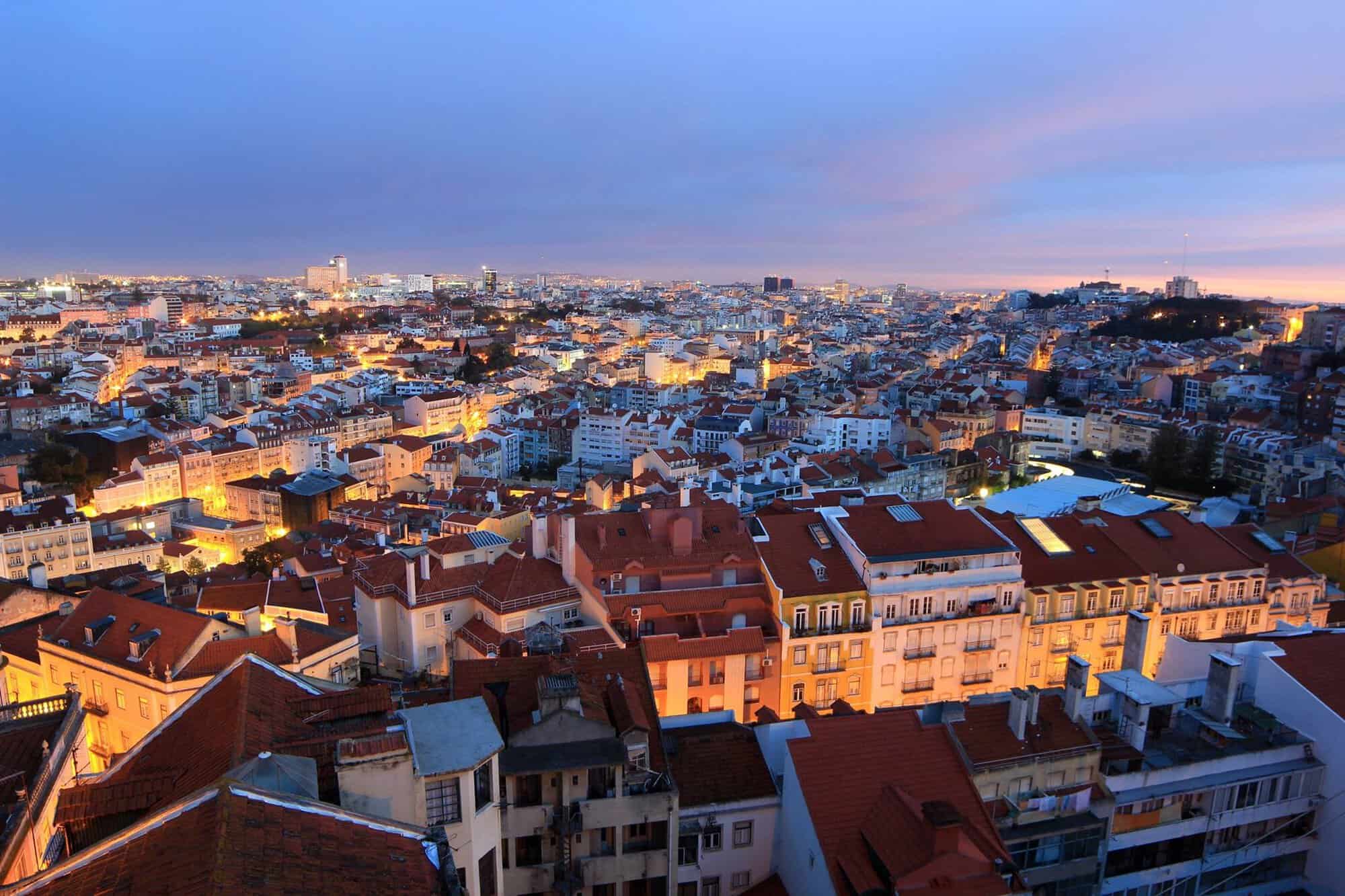


Lisbon is one of those cities where you can fit a lot into five days without constantly sitting in a car. The historic center, Belém’s landmarks, views of the Tagus—and just beyond the city limits, Sintra, the Atlantic, and the westernmost point of mainland Europe. A city break here combines naturally with day trips.
This itinerary is based on our real-world experience. It’s set up as a 5-day stay: arrival, two days in the city, a one-day trip to Sintra and the ocean, and departure. We recommend a car for Day 4—the rest works well without one.
Suggested trip length
Ideal length: 5 days / 4 nights
Shorter version: 4 days – condense the city time into one day
Longer version: 6+ days – slow down in Sintra or add extra Atlantic stops
Day 1: Arrival and your first taste of the city
The first day is for arriving, getting to your accommodation, and an unhurried evening. Don’t chase sights right off the plane—ease into it. A stroll around the neighborhood, dinner, and a gradual introduction to the city make a better start than a crammed schedule.
Day 2: Belém and Lisbon’s waterfront
Spend your second day in Belém and along the Tagus waterfront. You can walk the whole route, and that’s exactly what we recommend—the stops flow naturally, and the promenade is made for a slow stroll.
Monumento aos Combatentes do Ultramar – a memorial to those who fell in the Overseas Wars, a natural starting point as you head for the river.
Torre de Belém – one of Lisbon’s icons. The riverside tower is popular with tourists, and for good reason. Leave time for the surrounding waterfront, not just the tower itself.
Padrão dos Descobrimentos – a monument dedicated to Portuguese navigators. It captures Lisbon’s story tied to the sea and exploration.
Ponte 25 de Abril – the bridge rounds out the city’s panorama. The best views of it are from the promenade along the river.
Belém isn’t only about monuments. It’s a place to slow down and feel the contrast between historic buildings, the river, and the open expanse of the waterfront.
Day 3: The historic center and Lisbon’s neighborhoods
Day three is for the historic center and the city’s defining neighborhoods. This isn’t about a single headline sight but about atmosphere—streets, squares, viewpoints, and places you can’t just tick off a list.
Arco da Rua Augusta is a good landmark to start with—the arch over the main boulevard, the heart of the historic center, with views over the square and the river.
From the center, you’ll naturally find yourself in the older quarters. Alfama is the oldest and most iconic—narrow lanes, stairways, viewpoints, a classic mood. Mouraria feels rougher and less polished but has a character of its own. Bairro Alto is livelier and more nocturnal, so it’s worth coming back later.
This day works best without a strict plan—leave room for spontaneous stops and don’t hurry from point to point.
If the city’s modern face appeals, you can also include the Torre Vasco da Gama and the newer riverfront area. It’s an interesting contrast, but more of an optional add-on. Day 3 also works well for museums if they’re on your list.
Day 4: Sintra, Castelo dos Mouros, Cabo da Roca and Praia da Ursa
Day 4 is the busiest, and we recommend renting a car. The route runs from Lisbon to Sintra, then out to the Atlantic coast and back.
Sintra – a town with its own atmosphere, romantic architecture, and hilly terrain. Give yourself at least an hour to wander before moving on.
Castelo dos Mouros – a hilltop castle above Sintra with views over the whole area, and in good weather toward the Atlantic. We suggest skipping the other castles and palaces in Sintra and taking your time here.
Alternative: If architecture tempts you more than viewpoints, you can swap Castelo dos Mouros for the Pena Palace—a romantic palace with colorful facades and gardens right above Sintra. Allow at least 3 hours. We recommend buying tickets online in advance. Doing both in one day along with Cabo da Roca and Praia da Ursa is too packed—pick one of the two.
Cabo da Roca – the westernmost point of mainland Europe. Cliffs, wind, and ocean make this one of the most powerful viewpoints on the whole route. Stop by the lighthouse as well.
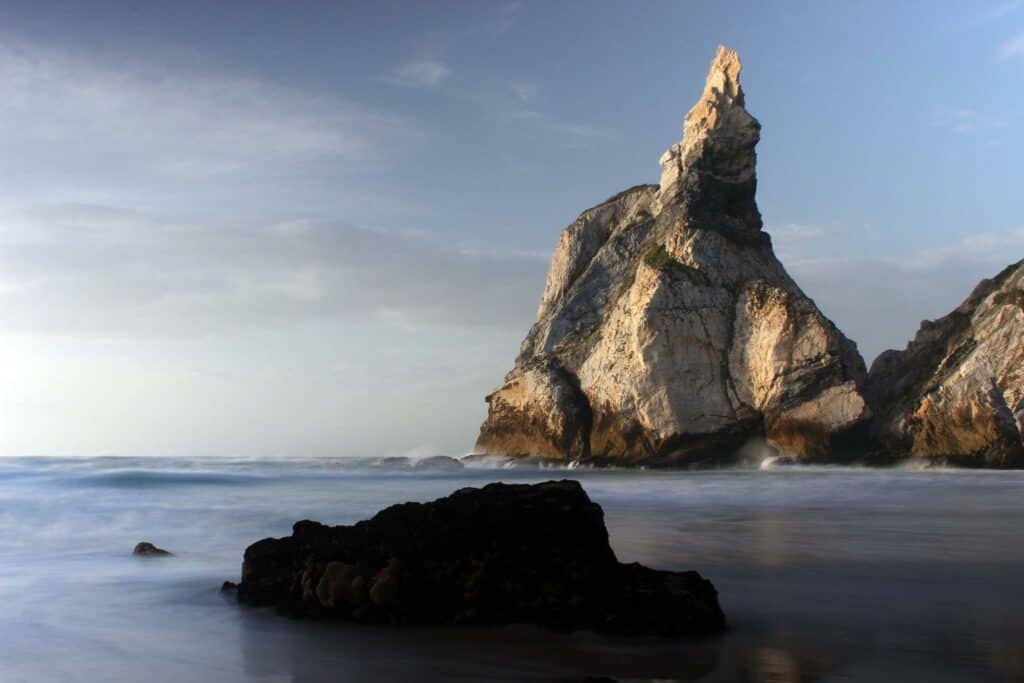
Praia da Ursa – a beach near Cabo da Roca with dramatic rock formations. Access is via a hike (about 20–30 minutes) and the terrain isn’t always easy. It’s not a laid-back swimming beach for everyone, but it’s among the most photogenic spots around Lisbon.
Day 4 is a sharp contrast to the previous days. A morning in Sintra, an afternoon on the Atlantic—and all of it within an hour and a half’s drive of the city.
Day 5: Slow morning and departure
The last day is for departure. Depending on your flight time, you can still enjoy a quiet morning and a final walk through the city.
Practical tips
Car – only for Day 4. On the other days, Lisbon is easy to get around by public transport and on foot.
Praia da Ursa – expect a hike and wear sturdy shoes. It’s not for everyone, but it’s worth it.
Pace – Lisbon is hilly and walking tires you out more than elsewhere. Plan your days with a buffer.
Season – outside high summer, April–June and September–November are more pleasant for getting around and less crowded at the sights.
Conclusion
Five days is a very comfortable amount of time for Lisbon and its surroundings. You’ll get to know the city without needless rushing and still make time for a trip that shows why this part of Portugal is so special. If the weather cooperates and you manage Day 4 as planned, Sintra and Cabo da Roca will likely be the highlight of your stay.