
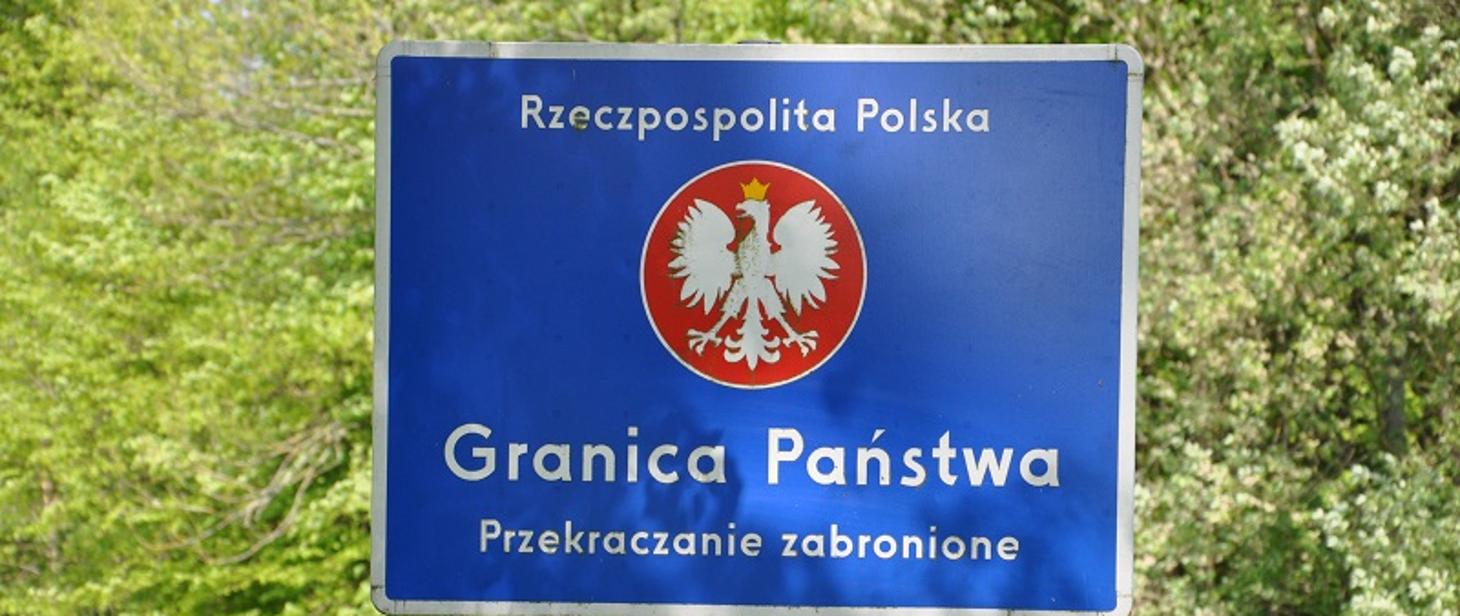


Poland is a practical, affordable destination for travelling with a dog. It has big cities, the Baltic Sea, the Masurian Lakes, the Tatras, national parks, historic centres and long driving routes across the country. From a veterinary perspective, the key point is that Poland is an EU member state.
If you’re travelling to Poland from another EU country, standard European rules apply: a microchip, a valid rabies vaccination and an EU Pet Passport. If the dog is arriving in Poland from a non-EU country, that counts as entry into the European Union and the rules are stricter.
This article covers a normal, non-commercial trip with a dog travelling with its owner or an authorised person. If a dog travels as cargo, for sale, for a change of ownership or in a larger group of animals, different rules may apply.
Table of Contents
Quick overview: what your dog needs to travel to Poland
When travelling with a dog to Poland, what matters most is where the dog is coming from.
If you’re coming from another EU country, your dog needs:
- a microchip or an older, readable tattoo applied before 3 July 2011,
- a valid rabies vaccination,
- a minimum waiting period of 21 days after the first rabies vaccination,
- EU Pet Passport.
If the dog is coming from a non-EU country, you also need to consider:
- a veterinary health certificate for entry into the EU,
- a declaration of non-commercial movement,
- entry via an approved point of entry for pet travellers,
- a serological rabies antibody test if the dog is arriving from a country for which the EU requires it.
Poland is not among the countries that require mandatory echinococcus treatment for dogs on entry. This obligation mainly applies to Finland, Ireland, Malta, Norway and Northern Ireland.
Entry requirements for taking a dog to Poland from an EU country
If you’re travelling to Poland from another EU country, you’re moving within the EU’s harmonised rules for dogs, cats and ferrets.
The dog must have:
- a microchip,
- a valid rabies vaccination,
- EU Pet Passport.
The microchip must be implanted before the rabies vaccination. If the dog was vaccinated before being microchipped, that vaccination may not be considered valid for travel.
For the first rabies vaccination, allow a waiting period of at least 21 days. Only then is the vaccination considered valid for travel. If boosters are given on time, the 21-day wait no longer applies.
The EU Pet Passport is the core travel document for a dog moving within the EU. It includes the dog’s identification, owner details, rabies vaccination and any other veterinary records.
Interested in this destination? Would you like to visit it with your dog? Check the entry requirements directly in BorderCooler®.
Entering Poland with a dog from a non-EU country
If a dog comes to Poland from a non-EU country, it is entering the European Union. In that case, the EU’s rules for dogs entering from third countries apply, and they are stricter than travel between member states.
The dog must have:
- a microchip,
- a valid rabies vaccination,
- a veterinary health certificate for entry into the EU,
- a declaration of non-commercial movement,
- a serological rabies antibody test if arriving from a country for which the EU requires it.
The veterinary health certificate is issued by an official veterinarian in the country of departure. Upon entry into the EU, the certificate is valid for 10 days from issuance. Within this period, the dog must be checked at an approved point of entry, such as an airport, port or border crossing. For sea travel, this period is extended by the duration of the voyage.
After a successful entry check into the EU, the certificate can also be used for further movement within the EU, but for no more than 4 months or until the rabies vaccination expires, whichever comes first.
When a serological rabies antibody test is required
A serological rabies antibody test is required when entering the EU from countries that the EU does not classify under the simpler rabies regime.
In practice, this means that for some non-EU countries a microchip, rabies vaccination and health certificate are enough, while for others a titer test is also required.
The test is performed on a blood sample in an approved laboratory and must follow a valid rabies vaccination. If you’re travelling to Poland from outside the EU, always check in advance whether the country of departure is one for which the EU requires a titer test.
If a dog travels from the EU to a non-EU country and plans to return to Poland or another EU country, check before you go whether the EU requires a serological rabies antibody test for return from that country. If the test is required for your route, the most practical approach is to do it before leaving the EU and have the result recorded in the EU Pet Passport.
At the time of writing, a titer test is not required for entry into the EU, for example when arriving from the following countries and territories:
Great Britain, Northern Ireland, Switzerland, Norway, Iceland, Liechtenstein, Andorra, Monaco, San Marino, Vatican City, Canada, the United States of America, Australia, New Zealand, Japan and Argentina.
This is not a complete list. Always check the current list of countries and territories for which the EU does not require a serological rabies antibody test.
Where checks take place when entering from a non-EU country
If a dog enters Poland from a non-EU country, it must enter via an approved point of entry for pet travellers. This is where the documents and the dog’s identity are checked.
For air travel, this generally means the airport through which you enter Poland. For land travel, it may be an approved border crossing, and for sea travel, a port. Before you travel, check whether the place you plan to enter Poland is among the approved points of entry for pet animals.
If you enter the EU through a country other than Poland and only then continue to Poland, the check will take place in the first EU country on your route. The onward journey to Poland is then movement within the EU.
Travelling to Poland with a dog from Ukraine or Belarus
For Poland, it’s worth mentioning land entry from its eastern neighbours, especially Ukraine or Belarus. In both cases, this is entry into the European Union from a non-EU country.
That means the dog must meet the EU rules for entry from third countries: a microchip, a valid rabies vaccination, a health certificate, any required titer test and entry via an approved checkpoint.
On such routes, it’s particularly important to check the current border regime, the list of open crossings and any temporary measures. Rules can change depending on the security situation, traffic management or exceptional measures at the border.
By ferry to Poland with a dog from Scandinavia and the Baltics
For travellers coming from Sweden, Finland or the Baltic states, the ferry is a natural choice. Poland has several active ferry routes on the Baltic Sea, and most of them accept dogs.
At the time of writing, dogs could travel on routes such as Świnoujście–Trelleborg, Świnoujście–Ystad, Gdynia–Karlskrona and Gdańsk–Nynäshamn. Operators include Stena Line, TT-Line, Polferries, Finnlines and Unity Line. Routes and conditions can change, so always check directly with the operator before buying a ticket.
Polferries offers dedicated pet-friendly cabins on some ships – for example, there are four such cabins on MS Mazovia.
Across all routes, rules for dogs can vary by ship and operator – some allow dogs to stay in the car on the car deck, others require a cabin or an onboard kennel. If you’re taking a dog on a ferry for the first time, our guide on what to think about before boarding a ferry with a dog may help. And if you’d like to know what the trip looks like in practice, read our experience with the overnight ferry from Poland to Sweden with a dog.
Practical rules for staying in Poland with a dog
Poland is generally practical for travelling with a dog, but rules vary by city, accommodation, operator, park, beach and time of year.
In large cities you’ll find parks, vets, pet shops and accommodation that welcomes dogs. That said, dogs aren’t automatically allowed inside restaurants, shops or museums. Terraces, parks, nature and waterside walks are usually easier than interiors.
Always confirm accommodation directly. The pet-friendly filter in a booking system isn’t enough. Check the dog’s size, any fee, whether you may leave the dog alone in the room, and the rules for common areas.
When visiting national parks, Baltic Sea beaches or hiking trails, check the rules for the specific place. Some areas may restrict access with a dog, require a lead or ban entry to selected paths and beaches during the season.
On public transport, rules vary by city and operator. Small dogs in carriers may have a different regime from larger dogs on a lead. For trains, buses or urban transport, check the rules of the specific company.
When to start preparing
Travelling from the EU
If you’re travelling to Poland from another EU country and your dog already has a microchip, a valid rabies vaccination and an EU Pet Passport, preparation is straightforward. Check that the vaccination will remain valid for the entire trip, including your return, and review the carrier’s rules.
Travelling from a non-EU country
If your dog is travelling from a non-EU country, start preparing earlier. Check whether you need a serological test, which health certificate is used, who endorses it and through which point you can enter Poland or the EU.
A serological test can’t be arranged at the last minute. The blood sample is taken no sooner than 30 days after the rabies vaccination. Processing in the laboratory usually takes from a few working days to several weeks, depending on the lab. If the test is required for your route, arrange it well in advance.
Summary
Travelling to Poland with a dog is fairly simple when coming from the EU. Your dog needs a microchip, a valid rabies vaccination and an EU Pet Passport. Mandatory echinococcus treatment is not required for entry into Poland.
If the dog is arriving from a non-EU country, you need to follow the EU entry rules: a health certificate, a declaration of non-commercial movement, any required serological test and entry via an approved point.
Beyond paperwork, think about the practical side. Check the rules of your carrier, accommodation, public transport, parks, beaches and hiking trails. Poland is very doable with a dog, but it works best when you’ve sorted the basics and expectations before you go.
Frequently asked questions about travelling to Poland with a dog
Does a dog need a titer test to travel to Poland?
When coming from another EU country, you don’t need a titer test. For entry from a non-EU country, it depends on where the dog is coming from. Some countries fall under a simpler EU regime; for others, a serological rabies antibody test is mandatory.
Does Poland require echinococcus treatment?
No. Poland is not among the countries that require mandatory echinococcus treatment for dogs on entry. This obligation mainly applies to Finland, Ireland, Malta, Norway and Northern Ireland.
Is an EU Pet Passport enough when travelling from the EU to Poland?
Yes. For a normal, non-commercial trip from another EU country, the EU Pet Passport is the dog’s core travel document. The dog must also be microchipped and have a valid rabies vaccination.
Do different rules apply when entering from Ukraine or Belarus?
From the EU’s point of view, this is entry from a non-EU country, so you must meet the third-country entry rules. In addition to veterinary documents, check the current status of the border crossing and any temporary measures.