
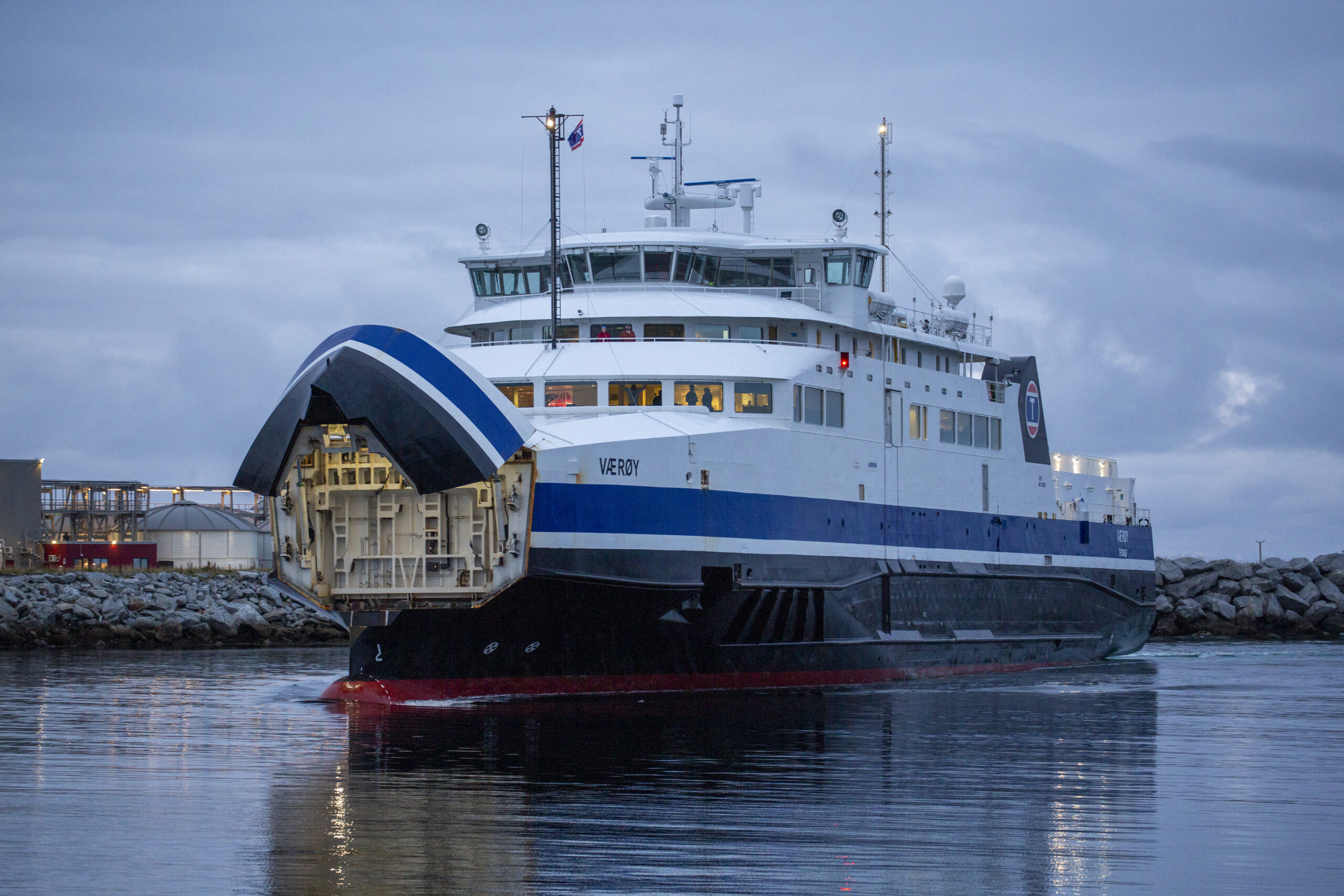


Ferries are a natural part of Norway’s road network. For locals they’re everyday transport; for travellers they’re often an essential link when weaving through fjords, islands and a rugged coastline.
Most ferries charge a fare, but there’s also a lesser-known category that runs completely free — and that’s what this article is about.
On a Norway road trip, ferry costs can add up fast, especially with a car or campervan. With the right mix of free crossings, you can save tens to hundreds of euros without making major compromises to your route.
It’s important to say upfront that this isn’t the norm. Free ferries are a minority and, in most cases, don’t cover the main road arteries. They’re largely quieter links serving local communities in more remote areas.
What this article doesn’t cover
This piece focuses solely on free ferries. How the AutoPASS system works, fares on paid routes, and the nuts and bolts of registration and payments deserve a dedicated article.
Why this works
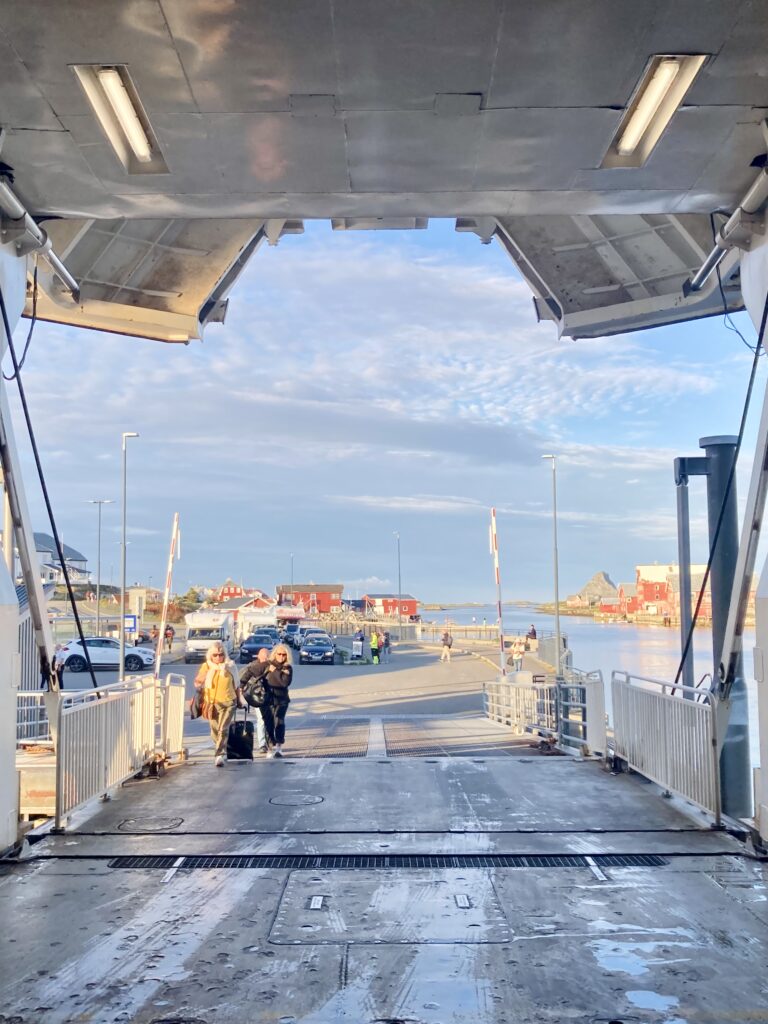
Since July 2022, selected ferry routes in Norway have been state-funded, and passengers pay nothing — not for people, vehicles, or even the dog. Routes were chosen based on lower demand, where fares would otherwise be a burden for local residents.
The result is a network of smaller ferries linking islands, peninsulas and outlying stretches of coast — now available with no fare to pay. For travellers, it’s a useful way to reach areas you might otherwise never see.
Interested in this destination? Would you like to visit it with your dog? Check the entry requirements directly in BorderCooler®.
Smart savings and smarter routing
The benefit isn’t just reaching quieter, more authentic places; it’s also being able to piece together a route that’s sensible and efficient. Free ferries can act as a bridge between two busier hubs via lesser-known corners that would otherwise sit off your main route.
A good example is the connection between Bodø and Moskenes. The direct ferry is a paid service, but you can replace it with two free sailings — Bodø to Værøy, then Værøy to Moskenes. This alternative saves around €80 and adds an interesting stop at a place many travellers would otherwise pass by.
Planning is key
Free doesn’t mean unlimited. Capacity is fixed, and in peak season it’s easy to miss a specific departure. The lack of a fare doesn’t guarantee you a spot.
That’s why it pays to plan ahead and — where possible — reserve a place even on free ferries. It sounds counterintuitive, but in practice it’s a smart move, especially if you’re on a tighter schedule or have onward connections.
Who free ferries are for
Free ferries in Norway make the most sense for travellers who:
- enjoy slower, more authentic travel,
- want to explore lesser-known areas,
- are planning a road trip and looking to keep costs down,
- are willing to adapt their itinerary to the available sailings.
Approach them with realistic expectations and a solid plan, and they can become one of the most rewarding parts of travelling in Norway — not because they’re free, but because of where they can take you.
Finally, you’ll find the official, up-to-date overview of free ferry routes on the AutoPASS for ferje project website. That’s where you can check which specific links are free at a given time and how each route operates in practice.
As part of our paid services, we maintain a detailed map of all current free ferry routes and can help you weave them sensibly into your trip.