
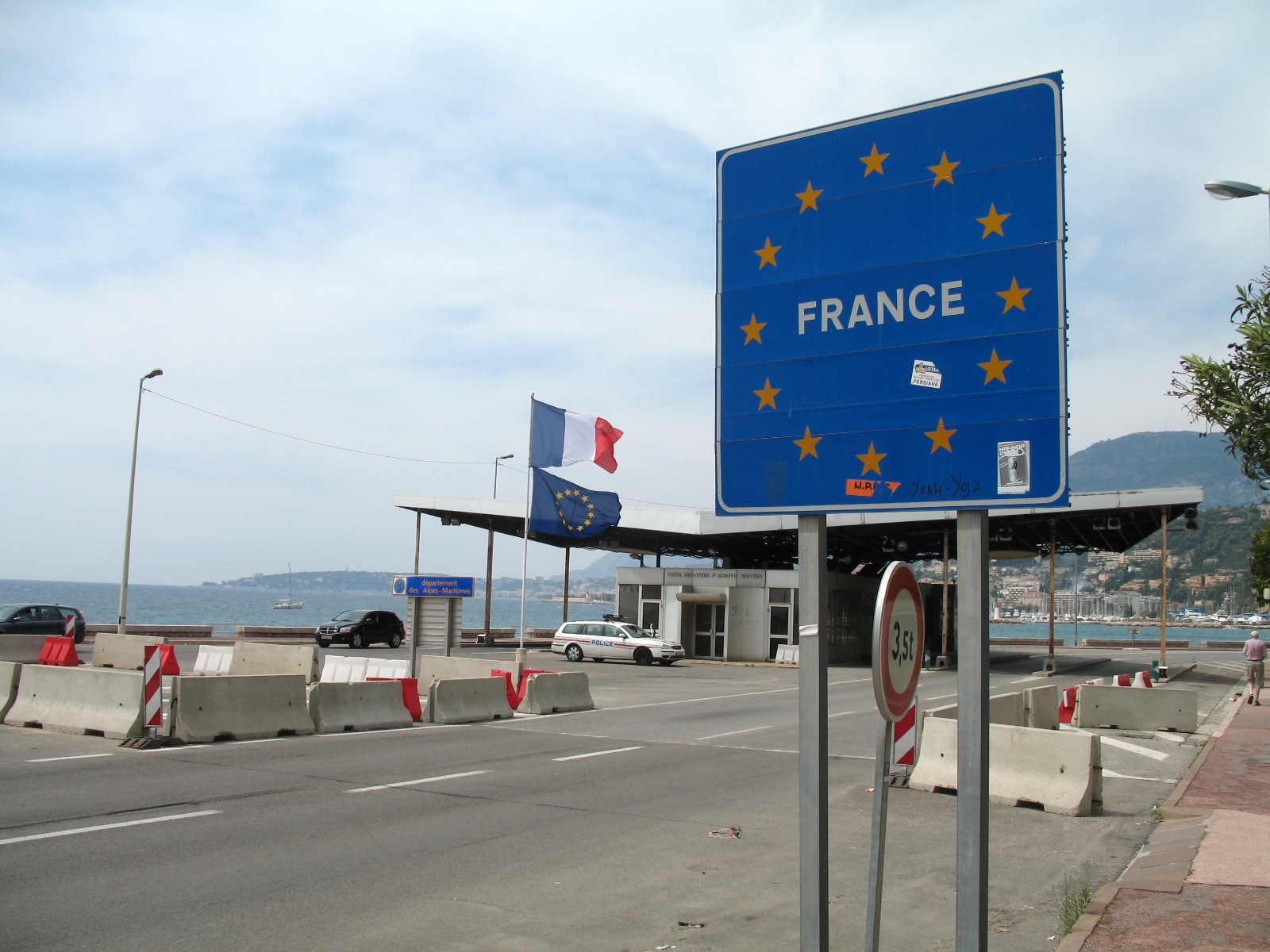


France is one of the easier countries to visit with a dog. As an EU member state, it follows the same basic rules as most European countries.
That doesn’t mean there’s nothing to arrange. To travel to France with a dog, you’ll need the right paperwork, a valid rabies vaccination, and a microchip. France applies the same pet‑travel rules as the rest of the EU; the key differences depend on whether you’re arriving from within the EU or from outside it.
In this guide, we cover:
- entry requirements when coming from an EU country
- entry requirements when coming from non‑EU countries
- specifics for travel to Corsica
- rules for the French overseas territories
Entry requirements for bringing a dog to France from an EU country
If you’re traveling to France from another EU country, the requirements are fairly simple.
Your dog must have:
- a microchip
- a valid rabies vaccination
- EU pet passport
The EU pet passport is issued by a veterinarian and includes your dog’s identification and vaccination records. It’s valid for travel between EU countries.
Entry requirements for bringing a dog to France from non‑EU countries
If you’re traveling to France from outside the European Union, the rules are stricter.
Your dog must have:
- an ISO‑compatible microchip
- a valid rabies vaccination
- an EU animal health certificate
- a written declaration for non‑commercial movement of the animal
The health certificate must be issued by an official veterinarian in the country of departure and generally must be no more than 10 days old when entering the European Union.
If you’re coming from a country that is not on the EU’s list for simplified pet entry, a rabies antibody titration (rabies titer test) may also be required. Blood for this test is drawn at least 30 days after vaccination, and you can only enter the EU after a three‑month waiting period.
Interested in this destination? Would you like to visit it with your dog? Check the entry requirements directly in BorderCooler®.
How many animals you can bring on non‑commercial trips
For non‑commercial travel, you may bring up to five animals per person.
If you bring more, the movement may be treated as commercial transport and stricter rules will apply.
Does the same rule apply to Corsica?
Yes. Corsica is part of France and the same veterinary entry rules for dogs apply there just as on the mainland.
When traveling to the island by ferry or plane, the carrier may check your dog’s documents before boarding — most commonly the pet passport and proof of rabies vaccination.
This isn’t a special rule for the island, but a standard document check when transporting animals.
The same veterinary rules apply to other French islands in Europe, such as Île de Ré, Île d’Oléron, or Belle‑Île‑en‑Mer, which are administratively part of metropolitan France.
French overseas territories: Do the same rules apply?
France also has several overseas territories outside Europe — for example Guadeloupe and Martinique in the Caribbean, Réunion and Mayotte in the Indian Ocean, French Guiana in South America, and French Polynesia in the Pacific. Although they belong to France, veterinary entry rules for dogs can be stricter than on the mainland.
The main reason is to protect local ecosystems and prevent the introduction of diseases, especially rabies. Requirements therefore vary by territory.
The following groups describe entry conditions for these territories when traveling from an EU country. If you’re arriving from outside the EU, the requirements may be even stricter.
Group 1: Overseas departments with rules very similar to the EU (relatively straightforward entry)
Some French overseas regions have rules that closely mirror those in the European Union. This group mainly includes the French overseas departments and some collectivities, such as:
- Guadeloupe
- Martinique
- Réunion
- Saint‑Martin (French part of the island)
- Saint‑Barthélemy
In most cases, you’ll need:
- a microchip
- a valid rabies vaccination
- a veterinary health certificate
If you’re flying, you may also need to notify the local veterinary authority of the animal’s arrival or present documents during an airport check. On some islands (for example Saint‑Martin or Saint‑Barthélemy), a short pre‑arrival notification may be required.
Group 2: Territories with stricter administrative requirements
Some territories have tighter veterinary requirements and may ask for additional documents or checks.
This group includes territories where, beyond the basic documents, extra administrative steps are often required:
- French Guiana
- Mayotte
In addition to the basics, you may need:
- an import permit for the animal
- advance notification of the animal’s arrival
- a veterinary inspection on arrival
In some cases there may be further pre‑travel administrative steps.
Group 3: Territories with very strict animal‑import rules
Some French overseas territories have their own veterinary regimes, and importing animals is significantly stricter than in the EU.
This group includes, for example:
- French Polynesia
- New Caledonia
- Wallis and Futuna
Traveling with a dog to these territories often requires a longer lead time before departure. This can include a rabies antibody titration test, an import permit, or prior approval from the local veterinary authorities. In some cases, a veterinary inspection on arrival is also required.
Why the rules are stricter
Many overseas territories are islands or biologically sensitive areas. Local authorities therefore aim to minimize the risk of introducing diseases that could harm native fauna.
If you plan to travel with a dog to any French overseas territory, always check the current veterinary requirements with the local authorities or your airline before you go.
Practical rules for being out and about with a dog in France
Once in France, it’s sensible to follow a few everyday rules for dogs in public spaces.
In most towns and cities, you’re expected to:
- keep your dog on a leash in public places
- maintain control of your dog at all times
Some breeds are classified as dangerous in France and are subject to special ownership rules. A muzzle or specific permit may be required.
Document checks when traveling to France
If you drive to France from another EU country, document checks at the border are rare in practice. That doesn’t mean you shouldn’t have them with you.
When flying, taking a ferry, or during a spot veterinary inspection, you may be asked to present the documents required for entry.
The simplest rule is to keep all documents ready.
Summary of the rules for traveling to France with a dog
Within Europe, traveling to France with a dog is on the easier end. If you’re arriving from an EU country, in most cases an EU pet passport, a microchip, and a valid rabies vaccination are enough.
If you’re traveling from outside the EU, you’ll also need an animal health certificate and, in some cases, a rabies antibody titration test.
For the French overseas territories, requirements vary by region — from relatively simple conditions in the Caribbean departments to significantly stricter regimes in some Pacific territories. Always check the latest veterinary rules before planning your trip.
Even though the overseas territories add a layer of complexity, the general rule still stands: within Europe, France is one of the easier destinations for traveling with a dog.